

Cornea care · Corneal infection & inflammation
Keratitis Treatment in Fort Worth & Colleyville, TX
Keratitis, an inflammation or infection of the cornea, can turn a red, painful eye into a sight-threatening problem within days. Fellowship-trained cornea specialist Dr. David Truong diagnoses and treats keratitis for patients in Fort Worth, Colleyville, Keller, and across DFW.
The short answer
What is keratitis?
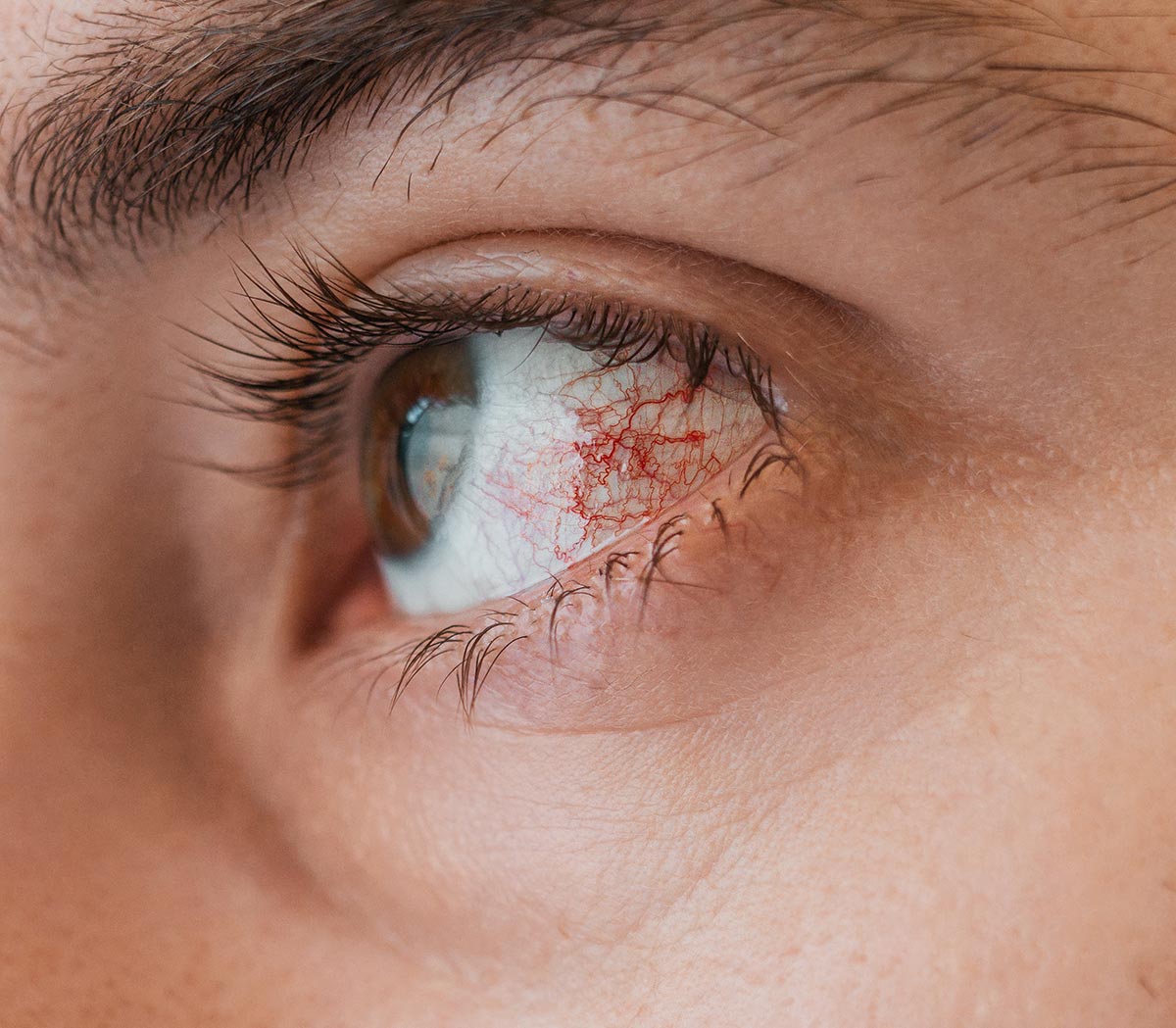
Keratitis is inflammation of the cornea, the clear front window of the eye. It can be infectious, caused by bacteria, viruses, fungi, or Acanthamoeba, or non-infectious, caused by dry eye, injury, UV exposure, or overwearing contact lenses. Common symptoms are eye pain, redness, light sensitivity, and blurred vision.
Infectious keratitis can scar the cornea and permanently reduce vision if treatment is delayed. If you wear contact lenses and develop a painful red eye, take your lenses out and call an eye doctor right away.
Don’t wait
When should I call about a painful red eye?
Call Azure Eye Center at (817) 886-4600 the same day if you have any of these:
- ✓Eye pain that is getting worse
- ✓Redness with sensitivity to light
- ✓Blurred or decreasing vision
- ✓A white or gray spot on the clear part of the eye
- ✓Discharge or heavy tearing, especially while wearing contacts
Contact lens wearers: remove your lenses, do not put them back in, and bring the lenses and case to your visit. If symptoms are severe and you cannot reach us, go to the nearest emergency room.
Call (817) 886-4600Types
What are the types of keratitis?
Keratitis is grouped by whether an infection is causing it. The cause determines the treatment.
Bacterial keratitis
The most common type in contact lens wearers, often caused by bacteria such as Pseudomonas aeruginosa.
Viral keratitis
Often caused by the herpes simplex virus, and it can come back over time.
Fungal keratitis
Linked to eye injuries from plant material, such as a branch, or to contaminated contact lenses.
Acanthamoeba keratitis
Rare but serious; linked to poor lens hygiene and exposing contacts to tap water, pools, or hot tubs.
Dry eye and exposure
A dry, poorly protected corneal surface can become inflamed and damaged.
Lens overwear and UV
Wearing contacts too long, or UV exposure without eye protection, can inflame the cornea.
Symptoms
What are the symptoms of keratitis?
Keratitis usually affects one eye and can come on quickly. Symptoms include:
- ✓Eye redness and pain, often more than you would expect from simple irritation.
- ✓Excess tearing or discharge.
- ✓Blurred or decreased vision.
- ✓Sensitivity to light.
- ✓A feeling that something is in your eye that does not go away.
Keratitis is not the same as pink eye. Conjunctivitis affects the membrane over the white of the eye, while keratitis affects the cornea itself and is more likely to cause pain, light sensitivity, and blurry vision.

Diagnosis
How is keratitis diagnosed?
A cornea exam identifies the cause so treatment can target it from the start.
Slit-lamp exam
A detailed microscope exam, often with a special dye, shows ulcers and damage to the cornea.
Corneal culture
When infection is suspected, a gentle scraping identifies the bacteria, virus, fungus, or parasite.
Vision testing
Visual acuity measurements show how much the keratitis is affecting your sight.
Close follow-up
Repeat exams confirm the treatment is working and allow changes if it is not.
Treatment
How is keratitis treated?
Treatment is matched to the cause. Using the wrong drops can make some types of keratitis worse.
| Cause | Typical treatment |
|---|---|
| Bacterial | Antibiotic eye drops |
| Viral | Antiviral medication |
| Fungal | Antifungal eye drops |
| Acanthamoeba | Specialized anti-amoebic drops over a longer course |
| Non-infectious | Artificial tears, lubrication, and a break from contact lenses |
| Inflammation | Steroid eye drops, used cautiously and only under close supervision |
Pain is managed with medication and protective eye coverings when needed. Never use leftover or borrowed eye drops for a red eye; steroid drops in particular can worsen certain infections. Severe scarring may later need specialty lenses or a corneal transplant.
Prevention
How can I prevent keratitis?
Most cases of infectious keratitis in healthy eyes are linked to contact lenses. These habits lower your risk:
- ✓Wash and dry your hands before touching your eyes or lenses.
- ✓Do not sleep in contacts unless your eye doctor has prescribed lenses for overnight wear.
- ✓Keep water away from lenses. Remove them before swimming or using a hot tub, and never rinse lenses or cases with tap water.
- ✓Use fresh solution every time and replace your lens case regularly.
- ✓Replace lenses on schedule and follow your wearing time.
- ✓Protect your eyes from UV with sunglasses and protective eyewear.
Your specialist
Why see a cornea specialist for keratitis?
Keratitis is a corneal disease, and severe or slow-to-heal cases benefit from subspecialty care. Dr. David Truong is a board-certified ophthalmologist with fellowship training in cornea and refractive surgery from UCLA’s Jules Stein Eye Institute.
- ✓Targeted diagnosis, including cultures when infection is suspected.
- ✓Treatment for complex infections such as fungal and Acanthamoeba keratitis.
- ✓Long-term corneal care, including treatment of scarring if it develops.
- ✓Two offices in Fort Worth (Alliance) and Colleyville.

Two locations
Keratitis care near you in Fort Worth and Colleyville
Consultations and follow-up visits are available at both offices, with Dr. Truong and optometrist Dr. Samantha Reynolds. Both offices are open Monday–Thursday 8:00 am–5:00 pm and Friday 8:00 am–3:00 pm.
(817) 886-4600
(817) 886-4600
Coming from Keller or Southlake? See eye surgery for Keller and Southlake patients.
FAQ
Keratitis FAQs
Is keratitis an emergency?
Infectious keratitis can be. Some infections damage the cornea within days, so call an eye doctor the same day if you have eye pain, redness, light sensitivity, or blurred vision, especially if you wear contact lenses.
Is keratitis contagious?
Keratitis itself usually is not passed from person to person, but some viruses that cause it can spread by touch. Wash your hands often and do not share towels, makeup, or eye drops.
How long does keratitis take to heal?
Mild keratitis often improves within days to a couple of weeks with the right treatment. Severe infections can take weeks to months and may leave scarring, which is why early care matters.
Can I wear contact lenses if I have keratitis?
No. Stop wearing contacts as soon as symptoms start and do not resume until your eye doctor tells you it is safe. Bring your lenses and case to your appointment.
Can keratitis cause permanent vision loss?
It can if a severe infection scars the cornea. Prompt diagnosis and treatment greatly lower that risk. Scarring that affects vision can be treated with specialty contact lenses or a corneal transplant.
What is the difference between keratitis and pink eye?
Pink eye (conjunctivitis) affects the membrane covering the white of the eye. Keratitis affects the cornea and is more likely to cause real pain, light sensitivity, and blurred vision.
Where can I get keratitis treatment near Fort Worth or Keller?
At Azure Eye Center, with offices in Fort Worth (Alliance) at 3900 N Tarrant Pkwy and in Colleyville at 5203 Heritage Avenue. Patients also come from Keller, Southlake, Grapevine, and North Richland Hills. Call (817) 886-4600.
Related pages
Have a painful red eye? Call us today.
Keratitis responds best to early treatment. Call (817) 886-4600 or request an appointment at our Fort Worth (Alliance) or Colleyville office.
This page is for general education and is not medical advice. Candidacy, treatment options, risks, and results vary by patient and are determined at an in-person exam with your eye doctor.