

Home / Cornea / Advanced Corneal Treatments
Cornea care · Corneal surgery & transplants
Advanced Corneal Treatments in Fort Worth & Colleyville, TX
From medicated drops and specialty contact lenses to DMEK, DSAEK, and full-thickness corneal transplants, fellowship-trained cornea surgeon Dr. David Truong treats the full range of corneal disease for patients in Fort Worth, Colleyville, Keller, and across DFW.
The short answer
What are advanced corneal treatments?
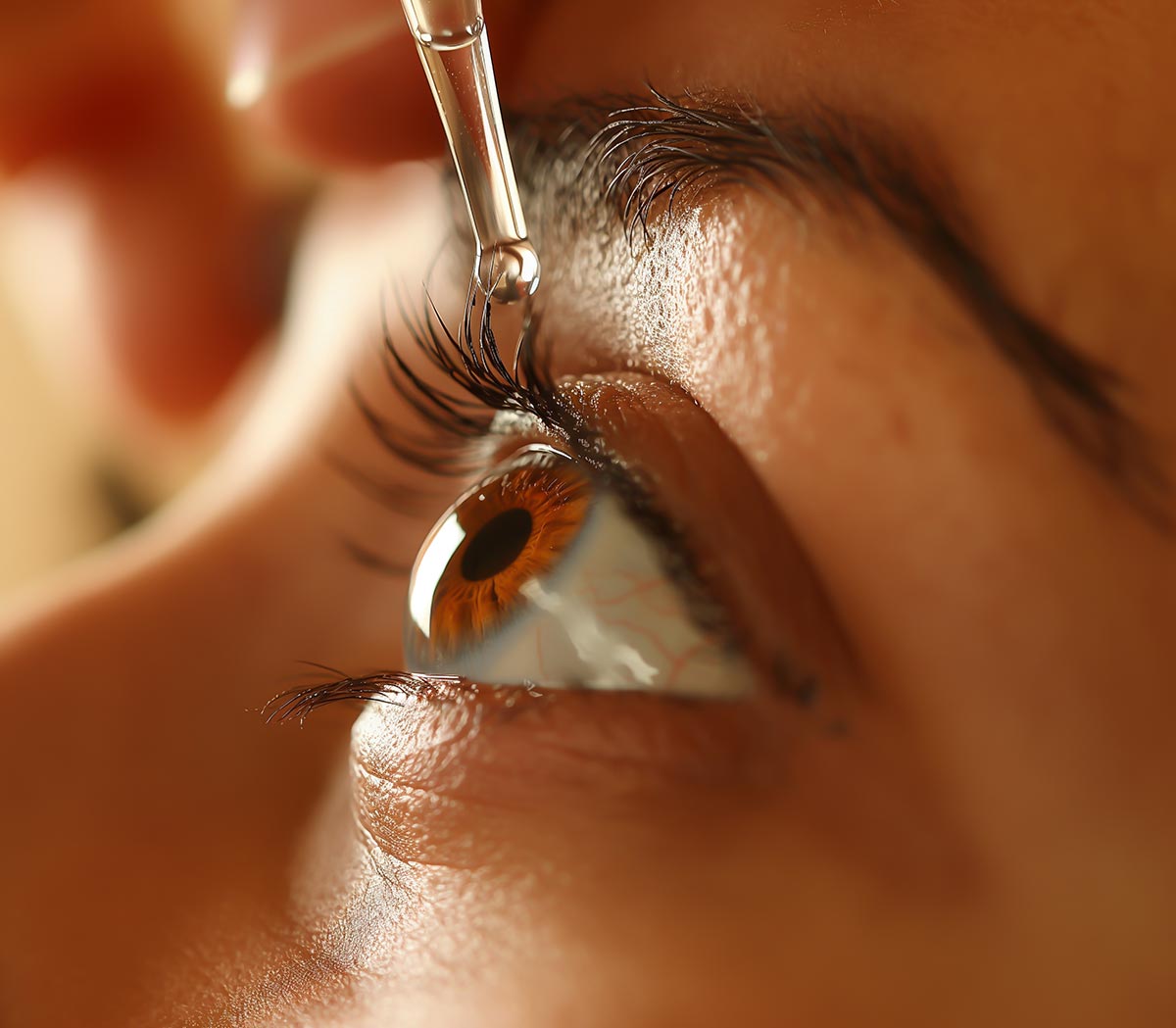
Advanced corneal treatments are medical and surgical options for diseases of the cornea, the clear front surface of the eye. They range from medicated eye drops and specialty contact lenses to procedures such as superficial keratectomy, corneal cross-linking, and corneal transplants, including DMEK, DSAEK, and penetrating keratoplasty (PKP).
Dr. Truong matches treatment to the layer of the cornea that is affected, choosing the least invasive option that can restore clear, comfortable vision.
Matching the treatment
Which corneal treatment do I need?
The cornea has several layers. Which one is affected largely determines the best treatment.
| Layer affected | Common conditions | Treatment options |
|---|---|---|
| Surface (epithelium) | Recurrent erosions, surface scars, irregularities | Superficial keratectomy, medicated drops |
| Middle (stroma) | Keratoconus, ectasia, scarring | Cross-linking, specialty lenses, transplant |
| Inner (endothelium) | Fuchs’ dystrophy, corneal swelling | DMEK or DSAEK |
| All layers | Extensive scarring or disease | Penetrating keratoplasty (PKP) |
| Infection or inflammation | Keratitis | Antibiotic, antifungal, or anti-inflammatory drops |
Not sure how the layers work? See understanding the cornea and its conditions.
Non-surgical care
Treatments that don’t require surgery
Many corneal problems are managed, or fully resolved, without an operation.
Medicated eye drops
Antibiotic, antifungal, or anti-inflammatory drops are often the first treatment for corneal infections and inflammation.
Keratitis treatment →Rigid and scleral contact lenses
For keratoconus and other irregular corneas, these lenses create a smooth optical surface for clearer, more comfortable vision.
Keratoconus care →Corneal surgery
Surgical options for corneal disease
When vision loss or structural damage becomes significant, Dr. Truong offers:
Superficial keratectomy
Gently removes the outer layers of the cornea to treat recurrent erosions, scars, or surface irregularities and help the surface heal smoothly.
Corneal cross-linking
Riboflavin drops and UV-A light strengthen the cornea to stop keratoconus and ectasia from progressing.
Cross-linking →DMEK
Replaces only Descemet’s membrane and the endothelium, with the fastest recovery and lowest rejection risk.
DMEK & DSEK →DSAEK
Replaces the endothelium with a thin layer of supporting tissue; often used for Fuchs’ dystrophy and complex eyes.
DMEK & DSEK →Penetrating keratoplasty (PKP)
Replaces the entire damaged cornea with healthy donor tissue when all layers are affected.
Pterygium surgery
Removes a pterygium, a growth on the eye’s surface, when it affects comfort, appearance, or vision.
Pterygium →Recovery
What should I expect after corneal surgery?
Recovery depends on the procedure. Surface treatments heal fastest, partial-thickness transplants such as DMEK often improve vision within weeks, and full-thickness transplants take the longest, often many months, for vision to settle. Most patients notice gradual improvement over several weeks or months.
- ✓Prescribed eye drops to reduce inflammation and prevent infection.
- ✓Protecting the eye from injury, rubbing, and strain while it heals.
- ✓Every follow-up visit, at our Fort Worth (Alliance) or Colleyville office, to monitor healing.
After any corneal transplant, call (817) 886-4600 the same day if you notice new redness, light sensitivity, reduced vision, or pain.
Your surgeon
Why choose Azure Eye Center for corneal care?
Dr. David Truong is a board-certified ophthalmologist who completed his fellowship in cornea and refractive surgery at UCLA’s Jules Stein Eye Institute after residency at UT Southwestern. He performs partial- and full-thickness corneal transplants and treats complex corneal disease that general eye care can’t always address.
- ✓Second opinions for patients who have been told they need corneal surgery.
- ✓Referrals welcome from optometrists and ophthalmologists across DFW through our provider referral page.
- ✓Advanced corneal diagnostics to confirm which layer is affected.
- ✓Two offices in Fort Worth (Alliance) and Colleyville.

Two locations
Corneal surgery near you in Fort Worth and Colleyville
Consultations and follow-up visits are available at both offices, with Dr. Truong and optometrist Dr. Samantha Reynolds. Both offices are open Monday–Thursday 8:00 am–5:00 pm and Friday 8:00 am–3:00 pm.
(817) 886-4600
(817) 886-4600
Coming from Keller or Southlake? See eye surgery for Keller and Southlake patients.
FAQ
Corneal treatment FAQs
What is the difference between a full and partial corneal transplant?
A full-thickness transplant (PKP) replaces every layer of the cornea. A partial-thickness transplant, such as DMEK or DSAEK, replaces only the diseased inner layer, which usually means faster healing, fewer stitches, and a lower rejection risk.
How long does it take to recover from a corneal transplant?
It depends on the type. Many DMEK patients see better within weeks, DSAEK recovery is more gradual, and vision after a full-thickness PKP can take many months to stabilize, with stitches adjusted or removed over time.
What is superficial keratectomy?
Superficial keratectomy is an in-office procedure that removes the damaged outer layers of the cornea. It treats recurrent corneal erosions, surface scars, and irregularities so a smooth, healthy surface can grow back.
Are corneal transplants safe?
Corneal transplants are among the most common and successful tissue transplants. As with any surgery there are risks, including graft rejection, so knowing the warning signs and keeping follow-up visits is important.
Where does donor corneal tissue come from?
Donor corneas come from eye banks, which carefully screen and test the tissue before it is released for transplant.
Can I get a second opinion about corneal surgery?
Yes. Dr. Truong regularly sees patients who have been told they need corneal surgery and want a cornea specialist to review their diagnosis and options.
Where can I get a corneal transplant near Fort Worth or Keller?
At Azure Eye Center, with offices in Fort Worth (Alliance) at 3900 N Tarrant Pkwy and in Colleyville at 5203 Heritage Avenue. Patients also come from Keller, Southlake, Grapevine, and North Richland Hills. Call (817) 886-4600.
Related pages
See a cornea specialist in Fort Worth or Colleyville
Whether you were referred for a corneal evaluation or want a second opinion, Dr. Truong will explain what is affecting your cornea and which treatment makes sense.
This page is for general education and is not medical advice. Candidacy, treatment options, risks, and results vary by patient and are determined at an in-person exam with your eye doctor.